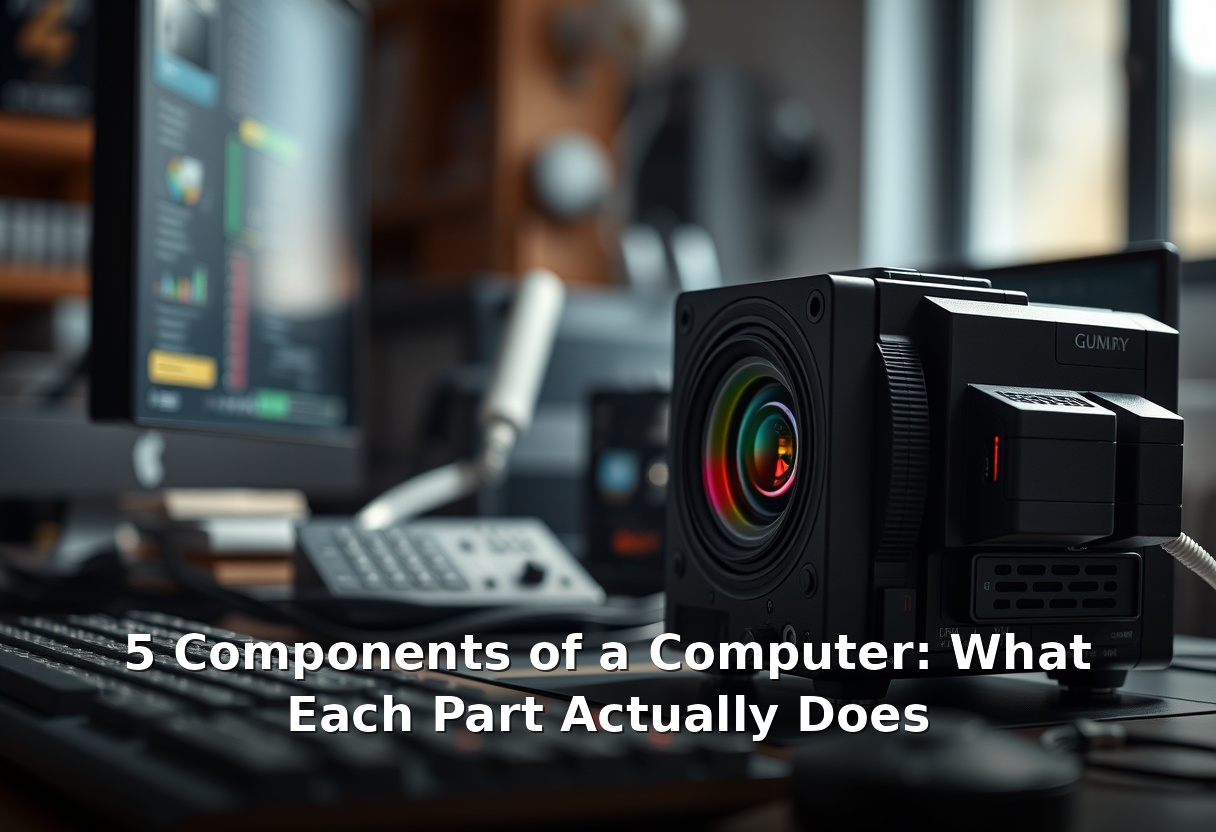

The five components of a computer are the input unit, the central processing unit, the output unit, primary memory and secondary storage — every task a computer performs moves data through those five parts in the same order.
Why the five-component model still matters
When it comes to why the five-component model still matters, there are several key factors to consider. These include Breaking a machine into input, processing, output, memory and storage makes it easy to see which part an upgrade or a fault actually affects and whether you are buying a desktop or diagnosing a slow laptop.. Each of these elements plays a distinct role and understanding them individually will help you build a complete picture of what 5 components of computer entails in practice. How Does a Computer Network Work? A Simple Guide to Network Communication.
To make the most of this information, it helps to examine each aspect in turn. Starting with the most relevant factor for your situation allows you to prioritise effectively and avoid getting overwhelmed by too many details at once. The goal is to build your knowledge step by step until you have a solid, working understanding of the topic. TCP/IP Explained: How the Internet and Computer Networks Communicate.
Many people overlook some of these factors when first researching 5 components of computer, which can lead to mistakes further down the line. By taking the time to consider each one carefully, you can avoid common pitfalls and ensure that your approach is well-rounded and informed by the latest thinking in this area. What Is a Network Firewall? How It Protects Your Devices and Data.
Component 1 — the input unit
When it comes to component 1 — the input unit, there are several key factors to consider. These include Keyboards, mice, scanners, webcams and microphones convert real-world actions into the digital signals the processor can work with and and their quality sets the practical limit on how fast you can feed the machine.. Each of these elements plays a distinct role and understanding them individually will help you build a complete picture of what 5 components of computer entails in practice.
To make the most of this information, it helps to examine each aspect in turn. Starting with the most relevant factor for your situation allows you to prioritise effectively and avoid getting overwhelmed by too many details at once. The goal is to build your knowledge step by step until you have a solid, working understanding of the topic.
Many people overlook some of these factors when first researching 5 components of computer, which can lead to mistakes further down the line. By taking the time to consider each one carefully, you can avoid common pitfalls and ensure that your approach is well-rounded and informed by the latest thinking in this area.
Component 2 — the central processing unit
When it comes to component 2 — the central processing unit, there are several key factors to consider. These include The CPU carries out the fetch-decode-execute cycle, and its core count and clock speed and cache size decide how quickly instructions from software are turned into results.. Each of these elements plays a distinct role and understanding them individually will help you build a complete picture of what 5 components of computer entails in practice.
To make the most of this information, it helps to examine each aspect in turn. Starting with the most relevant factor for your situation allows you to prioritise effectively and avoid getting overwhelmed by too many details at once. The goal is to build your knowledge step by step until you have a solid, working understanding of the topic.
Many people overlook some of these factors when first researching 5 components of computer, which can lead to mistakes further down the line. By taking the time to consider each one carefully, you can avoid common pitfalls and ensure that your approach is well-rounded and informed by the latest thinking in this area.
Component 3 — the output unit
When it comes to component 3 — the output unit, there are several key factors to consider. These include Monitors, printers, speakers and haptic devices turn processed data back into something a person can read, hear or feel and which is why display resolution and refresh rate matter as much as raw processing power.. Each of these elements plays a distinct role and understanding them individually will help you build a complete picture of what 5 components of computer entails in practice.
To make the most of this information, it helps to examine each aspect in turn. Starting with the most relevant factor for your situation allows you to prioritise effectively and avoid getting overwhelmed by too many details at once. The goal is to build your knowledge step by step until you have a solid, working understanding of the topic.
Many people overlook some of these factors when first researching 5 components of computer, which can lead to mistakes further down the line. By taking the time to consider each one carefully, you can avoid common pitfalls and ensure that your approach is well-rounded and informed by the latest thinking in this area.
Component 4 — primary memory
When it comes to component 4 — primary memory, there are several key factors to consider. These include RAM holds the programs and files currently in use and loses its contents when power drops and so too little memory forces the system to swap to disk and slows everything down.. Each of these elements plays a distinct role and understanding them individually will help you build a complete picture of what 5 components of computer entails in practice.
To make the most of this information, it helps to examine each aspect in turn. Starting with the most relevant factor for your situation allows you to prioritise effectively and avoid getting overwhelmed by too many details at once. The goal is to build your knowledge step by step until you have a solid, working understanding of the topic.
Many people overlook some of these factors when first researching 5 components of computer, which can lead to mistakes further down the line. By taking the time to consider each one carefully, you can avoid common pitfalls and ensure that your approach is well-rounded and informed by the latest thinking in this area.
Component 5 — secondary storage
When it comes to component 5 — secondary storage, there are several key factors to consider. These include SSDs and hard drives keep data permanently, and the choice between them affects boot times and application loading and how much you can keep without deleting anything.. Each of these elements plays a distinct role and understanding them individually will help you build a complete picture of what 5 components of computer entails in practice.
To make the most of this information, it helps to examine each aspect in turn. Starting with the most relevant factor for your situation allows you to prioritise effectively and avoid getting overwhelmed by too many details at once. The goal is to build your knowledge step by step until you have a solid, working understanding of the topic.
Many people overlook some of these factors when first researching 5 components of computer, which can lead to mistakes further down the line. By taking the time to consider each one carefully, you can avoid common pitfalls and ensure that your approach is well-rounded and informed by the latest thinking in this area.
How the five components work together
When it comes to how the five components work together, there are several key factors to consider. These include Data flows from input to processor, is held in memory while it is worked on, is written to storage for later and is presented through output and and a bottleneck in any one stage limits the whole system.. Each of these elements plays a distinct role and understanding them individually will help you build a complete picture of what 5 components of computer entails in practice.
To make the most of this information, it helps to examine each aspect in turn. Starting with the most relevant factor for your situation allows you to prioritise effectively and avoid getting overwhelmed by too many details at once. The goal is to build your knowledge step by step until you have a solid, working understanding of the topic.
Many people overlook some of these factors when first researching 5 components of computer, which can lead to mistakes further down the line. By taking the time to consider each one carefully, you can avoid common pitfalls and ensure that your approach is well-rounded and informed by the latest thinking in this area.
Final Thoughts
5 Components of a Computer: What Each Part Actually Does is a topic that rewards careful study and a methodical approach. By working through the areas covered in this guide, you have built a solid understanding of 5 components of computer and how it applies in practice. Whether you are applying this knowledge for personal use or professional purposes, the insights gained here will serve you well.
Remember that 5 components of computer is a broad subject, and there is always more to learn. Use the information in this article as a starting point, and continue to explore the topic further through trusted sources and real-world experience. The more you engage with the material, the more confident and capable you will become in applying it effectively.
Frequently Asked Questions
What is 5 components of computer?
5 components of computer refers to the core concept that helps users understand and apply 5 components of computer effectively in real-world situations. It covers the fundamental principles and practical applications that matter most.
How does 5 components of computer work?
5 components of computer works by combining several key principles and techniques that work together to deliver results. Understanding the underlying mechanics helps you make better decisions and achieve your goals more efficiently.
What are the benefits of 5 components of computer?
The main benefits of 5 components of computer include improved efficiency, better decision-making, cost savings, and greater flexibility in how you approach related tasks. Many users report significant improvements after implementing these strategies.
Is 5 components of computer suitable for beginners?
Yes, 5 components of computer is designed to be accessible to beginners while still offering depth for advanced users. Starting with the fundamentals and gradually building up your knowledge is the recommended approach.
How much does 5 components of computer cost?
The cost of 5 components of computer varies depending on your specific needs and the scale of implementation. Many aspects are available at no cost, while premium options offer additional features and support for those who need them.
What is the difference between various types of 5 components of computer?
Different types of 5 components of computer serve different purposes and audiences. The key differences typically relate to scope, complexity, target users, and the specific problems they are designed to solve.
How to get started with 5 components of computer?
Getting started with 5 components of computer is straightforward. Begin by understanding the basic concepts, then gradually explore more advanced topics as your confidence grows. There are many resources available to help you along the way. latest information about 5 components of computer.
What are common mistakes to avoid with 5 components of computer?
Common mistakes when dealing with 5 components of computer include overcomplicating the process, skipping fundamental steps, and not taking advantage of available resources. Being aware of these pitfalls helps you avoid them from the start.

 By
By

 By
By